
Aftercare
Driveway Re-Sanding & Sealing
Two different jobs that often get bundled together. Re-sanding restores the structure of block paving. Sealing changes how the surface behaves — and only suits some paving.
Re-sanding
Block paving is a flexible surface. The blocks sit on a bed of sand over a compacted sub-base, and what stops them moving is the interlock created by tightly filled joints. When the sand in those joints turns into a mix of silt, moss and root material, the paving loses some of that interlock even before anyone cleans it.
Pressure washing removes what is in the joints — which is the point — so the joints come out low or empty. Fresh kiln-dried sand is then spread across the dry paving and brushed in repeatedly until the joints are full, then settled so it stays put. Skipping that step leaves a drive that looks clean and performs worse than it did before, with faster weed return and edges that begin to creep.
Timing matters more than people expect. Sand will not travel into damp joints, so re-sanding sometimes means a second visit after a dry spell rather than finishing the same afternoon.
Sealing
Sealing is a genuine option with genuine limits. Depending on the surface and the product chosen, the potential benefits can include:
- reduced surface absorption, so spills and staining have less chance to soak in
- easier future maintenance, since dirt tends to sit on the surface rather than in it
- appearance enhancement, from a subtle colour lift to a satin finish depending on product
- help stabilising jointing sand, depending on the product and system used
Equally, and just as important:
- not every surface needs sealing — plenty of drives and patios are better left alone
- not every paving type is suitable, and some materials and resin systems should not be sealed at all
- existing condition matters — sealing over damaged, flaking or contaminated paving locks the problem in
- it should only be considered once the surface is clean and suitably dry, which in Suffolk means picking the weather
We will not put a lifespan figure on a sealed surface. How long a seal performs depends on the product, the traffic it takes, sunlight, drainage and how the surface is used. Anyone quoting a confident number of years for your particular drive is guessing.
How the two fit together
The normal order is clean, dry, re-sand, then seal if you have decided to. Each stage is quoted separately so you can stop at any point. Most customers clean and re-sand; a smaller number go on to seal because they want the colour lift or an easier surface to maintain. Both are reasonable choices.
More on the cleaning itself: block paving cleaning and driveway cleaning.
Before & After
What Re-Sanding Changes
Typical before-and-after examples, not photographs of specific completed jobs.

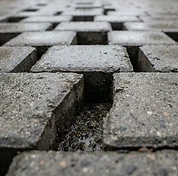 Before
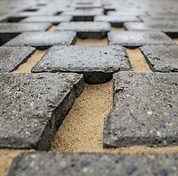 After
AfterWhat Re-Sanding Changes
Open or depleted paving joints after cleaning.
Joints visibly refilled with suitable jointing sand.
Related work
Not sure whether to seal?
Tell us the surface and send a photo. We will give you a straight answer on whether it is worth doing on your paving.
Send photos for a quote